No products in the cart.
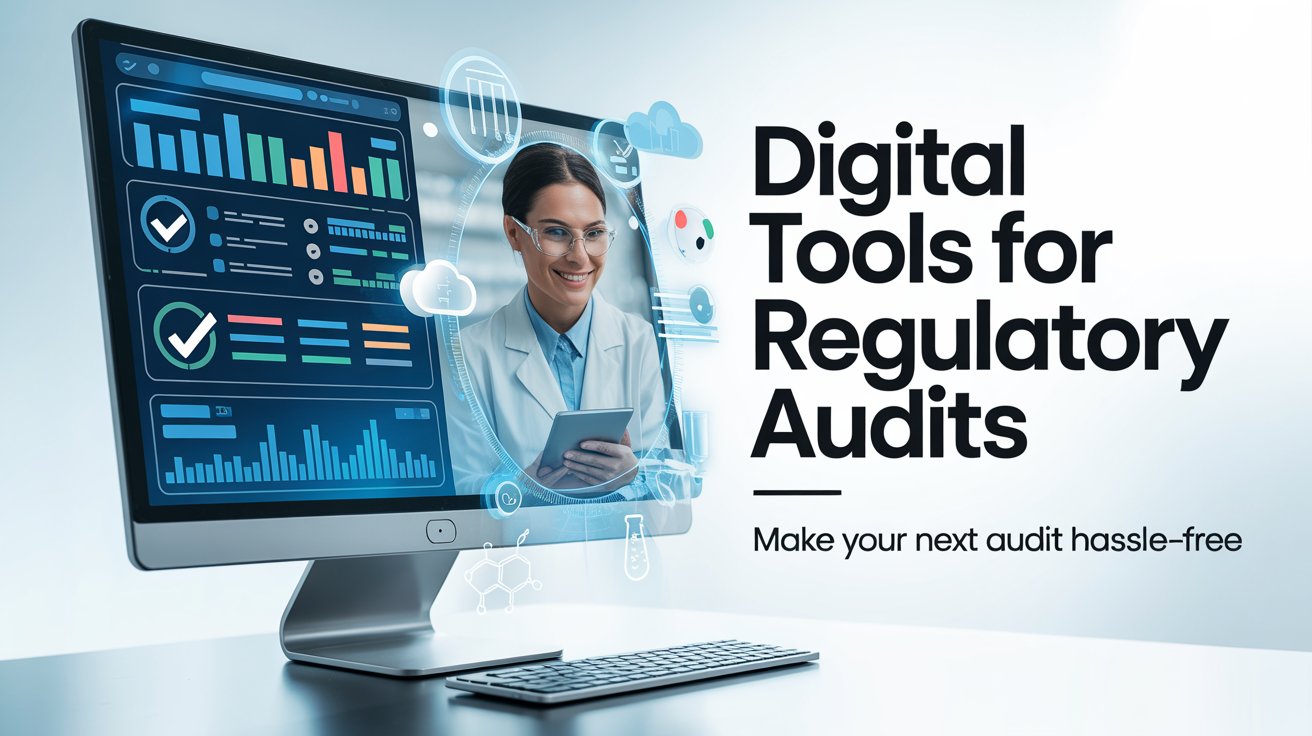
Digital Tools to Make Your Next Regulatory Audit Hassle-Free
Introduction
If you work in a regulated environment—pharma, biotech, medical devices, healthcare, or food manufacturing—you already know one universal truth:
👉 Regulatory audits are stressful.
From document retrieval and CAPA tracking to deviation reports and version control, one small oversight can lead to major observations, reputational damage, or even operational shutdowns.
But here’s the good news:
Thanks to digital transformation, modern digital tools for regulatory audits can make the audit process faster, smoother, more accurate, and significantly less stressful.
In this guide, we’ll explore the best digital platforms, real-world use cases, and step-by-step strategies to make your next regulatory audit 100% hassle-free.
Let’s begin.
1. Why Digital Tools Are Transforming Regulatory Audits
Regulatory expectations are increasing:
- US FDA focuses heavily on data integrity, ALCOA+, and 21 CFR Part 11.
- WHO, EMA, and NAFDAC demand traceability, compliance evidence, and validated systems.
- Audits now require real-time data, not last-minute paper files.
Digital tools solve all of this by giving you:
✔ Accuracy – No misplaced files or outdated versions
✔ Speed – Retrieve documents in seconds
✔ Transparency – Clear audit trails
✔ Consistency – Standardized templates and workflows
✔ Risk Reduction – Automated reminders and tracking
✔ Stress-Free Audits – Everything organized and inspection-ready
This is why companies globally are adopting digital tools for regulatory audits as a core part of their compliance strategy.
2. Top Digital Tools to Make Regulatory Audits Hassle-Free
Below are the most effective tools used by pharma, biotech, and other regulated industries worldwide.
1. Electronic Quality Management System (eQMS)
An eQMS centralizes and automates all quality processes—making it the most powerful tool for audits.
Popular eQMS platforms:
- Veeva Vault QMS
- MasterControl
- TrackWise
- QEdge
- ZenQMS
Features:
- Document management
- CAPA tracking
- Change control
- Training management
- Audit trail tracking
- Real-time dashboards
Why it helps in audits:
- Retrieve any SOP or record in seconds
- Maintains data integrity & version control
- Shows auditors complete traceability
➡️ Primary keyword usage:
Digital tools for regulatory audit are incomplete without a robust eQMS that ensures documentation accuracy and traceability.
2. Digital Document Management Systems (DMS)
If you’re still managing paper files, you’re creating risk.
Tools:
- SharePoint
- Google Workspace
- DocuSign
- OpenText
Benefits:
- Central storage for policies, SOPs, batch records
- Easy sharing with auditors
- Automated version control
- Electronic signatures (Part 11 compliant)
Pro Tip:
Use metadata tagging to speed up retrieval even more.
3. Audit Management Software
These tools automate planning, scheduling, tracking, and reporting for internal and external audits.
Top Software:
- AuditBoard
- MetricStream
- Intelex Audit Management
- Sparta TrackWise Digital Audit
Key features:
- Corrective Action assignment
- GAP analysis
- Root-cause analysis
- Audit-ready reports
📊 Stat: Companies using digital audit tools reduce audit preparation time by 55%.
➡️ Primary keyword usage:
Digital tools for regulatory audit like AuditBoard make it easier to manage observations and CAPA timelines efficiently.
4. CAPA & Risk Management Tools
CAPA delays are one of the top reasons for regulatory findings.
Tools:
- ETQ Reliance
- MasterControl CAPA
- TrackWise
- ComplianceQuest
Why they help:
- Automated CAPA assignment
- Notification reminders
- Real-time CAPA aging reports
- Root-cause templates (5-Why, Fishbone, FMEA)
Auditors love seeing proactive CAPA control.
5. Digital Checklists & SOP Automation Tools
Paper-based checklists = errors + missing signatures.
Tools:
- Jotform
- Process Street
- ZenPut
- Smartsheet Forms
Features:
- Auto-time stamping
- E-signatures
- Task verification
- SOP-guided workflows
Ideal for shopfloor documentation and GMP compliance.
6. Power BI / Tableau Audit Dashboards
Auditors LOVE dashboards.
Dashboards show:
- CAPA performance
- Deviations aging
- Change control metrics
- Training compliance
- Batch release cycle time
Using Power BI or Tableau, you can generate real-time audit readiness dashboards.
➡️ Primary keyword usage:
These dashboards are among the best digital tools for regulatory audit because they communicate data clearly and instantly.
7. Learning Management Systems (LMS)
Training non-compliance is one of the top 5 audit findings worldwide.
LMS platforms:
- Docebo
- TalentLMS
- SAP SuccessFactors
- Veeva Vault Training
Features:
- Automated training assignments
- Compliance-based trainings
- Training gap reports
- Exam/quizzes
Makes proof of training effortless.
8. Digital Logbook Systems
Replace paper logbooks with digital, Part 11-compliant options.
Tools:
- LogBook Pro
- e-Logbook systems (custom for pharma)
Benefits:
- Never lose entries
- Easy search and filter
- Timestamp accuracy
- Equipment usage traceability
Perfect for manufacturing and QC labs.
9. Workflow Automation Tools
These tools automate approvals, document routing, and compliance processes.
Tools:
- Monday.com
- Asana
- Zoho Flow
- Power Automate
Benefits:
- Zero manual reminders
- No bottlenecks
- Transparent approval chains
- Saves hours of admin work
3. How Digital Tools Reduce Audit Stress
Digital transformation in audits provides measurable benefits:
✔ Faster Data Retrieval
Documents, training files, and CAPAs can be accessed instantly.
✔ Reduced Human Errors
Automation = fewer missed signatures, outdated SOPs, or uncontrolled documents.
✔ Improved Compliance
Audit trails ensure everything is tracked and validated.
✔ Real-Time Readiness
Dashboards show your compliance health anytime.
✔ Stronger Operational Discipline
Digital workflows enforce consistency across teams.
📊 Stat: Companies that adopt digital audit tools experience 40% fewer regulatory observations in the first year.
4. Best Practices for Using Digital Tools in Regulatory Audits
1. Train Employees Properly
Digital tools only work when people know how to use them.
2. Validate All Digital Systems
Ensure tools comply with:
- 21 CFR Part 11
- Annex 11
- GAMP 5
3. Keep All SOPs Updated
Digital tools require digital discipline.
4. Monitor Compliance Dashboards Daily
Not just during audit season.
5. Create an Audit Readiness War Room
Include:
- Document owner list
- CAPA status
- Training gaps
- Top risk items
6. Perform Quarterly Mock Audits
Digital tools help maintain consistency year-round.
5. Real-World Case Example
A biotech company in Vietnam adopted digital tools for regulatory audits:
Problems:
- Missing training records
- Paper-based SOP chaos
- Long retrieval times
Solutions:
- Adopted TrackWise eQMS
- Implemented Power BI dashboards
- Introduced digital training management
Results:
- Audit preparation time reduced by 70%
- Zero critical findings
- Full traceability during FDA audit
➡️ Proof that digital tools can completely transform audit outcomes.
FAQs: Digital Tools for Regulatory Audit
1. Are digital audit tools mandatory?
Not yet, but regulators expect reliable, traceable systems—digital tools make that easier.
2. Are these tools expensive?
Many affordable cloud options exist for small and mid-size companies.
3. Can small pharma companies use these tools?
Absolutely. Many startups use digital tools before big companies do.
4. Which digital tool should I start with first?
Start with eQMS or digital document management.
Conclusion
Regulatory audits don’t need to be overwhelming or stressful. With the right digital tools for regulatory audits, your organization can ensure:
- Smooth documentation flow
- Real-time compliance tracking
- Faster decision-making
- Consistent audit readiness
- Zero last-minute panic
Digital transformation isn’t the future—it’s the present, and companies that adapt now will lead the industry tomorrow.
🚀 Call to Action:
Want to adopt digital audit tools for your organization? Explore our Digital Compliance & Audit Automation Solutions to modernize your audit readiness today.

