No products in the cart.
Continuous Learning in Pharma: How Professionals Stay Ahead in a Competitive Industry
Introduction: Why Continuous Learning Is No Longer Optional in Pharma
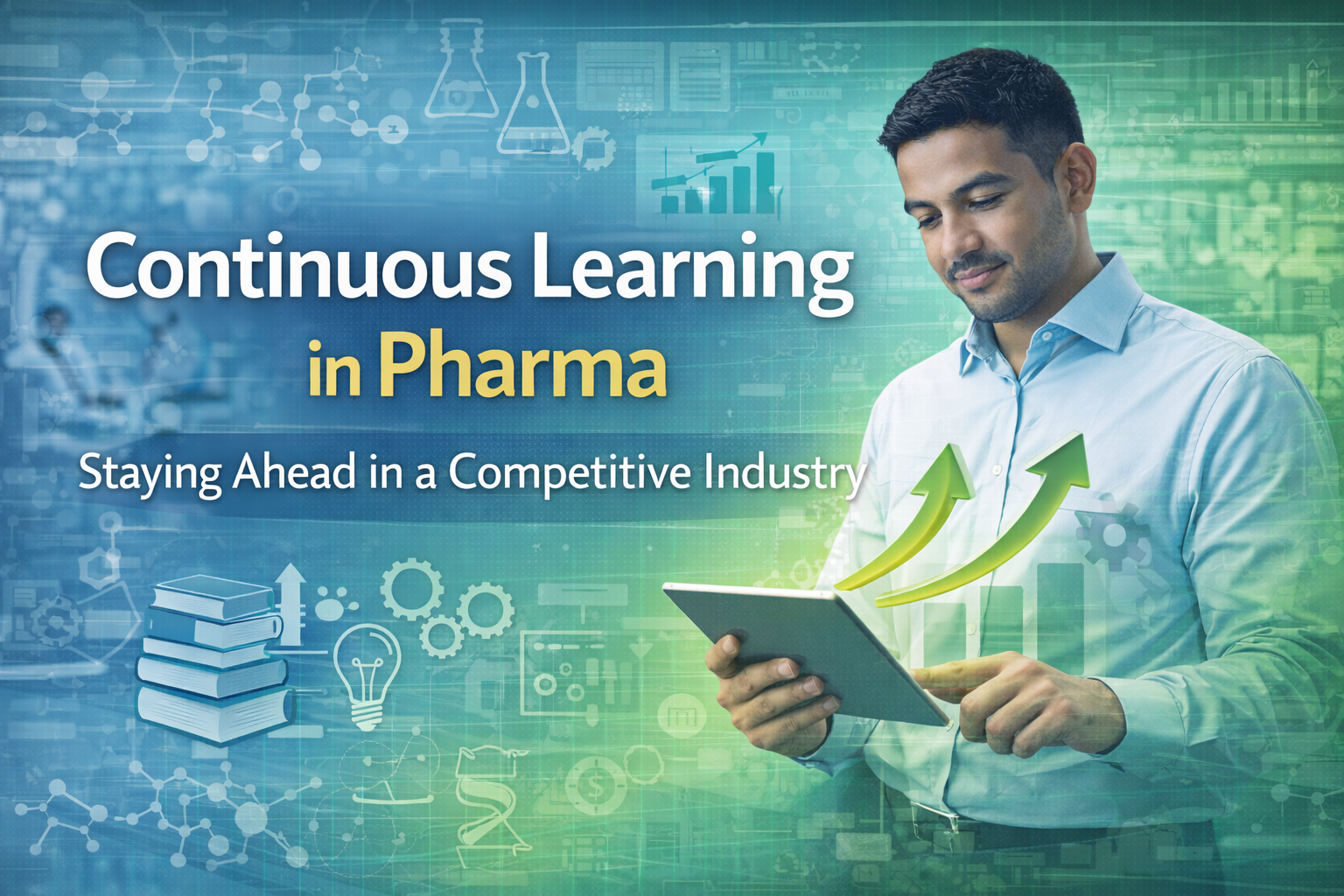
The pharmaceutical industry is evolving faster than ever. New regulations, digital transformation, advanced analytics, AI-driven manufacturing, and global compliance expectations are redefining what it means to be a successful pharma professional. In this environment, continuous learning in pharma is no longer a “nice-to-have” skill—it is a survival strategy.
Whether you are working in quality, validation, engineering, regulatory affairs, manufacturing, or project management, the pace of change demands constant upskilling. Professionals who embrace continuous learning in pharma stay relevant, command higher salaries, and transition into leadership roles faster than those who rely only on past experience.
This blog explores why continuous learning matters, what skills are most in demand, how pharma professionals can build a structured learning roadmap, and how advanced programs like integrated pharma masterclasses can accelerate career growth.
The Changing Pharma Landscape: Why Learning Never Stops
1. Regulatory Expectations Are Increasing
Global regulatory agencies continue to tighten compliance standards. Professionals are expected to understand evolving guidelines, data integrity principles, validation approaches, and audit readiness.
Key changes include:
- Increased focus on data integrity and digital compliance
- Greater scrutiny of computerized systems
- Risk-based validation and lifecycle management
- Cross-functional audit preparedness
Without continuous learning, even experienced professionals risk falling behind.
2. Digital Transformation Is Redefining Pharma Roles
Digital transformation is reshaping pharma operations across:
- Manufacturing automation
- Data analytics and dashboards
- AI/ML-driven predictive maintenance
- Digital twins and Industry 4.0 applications
This shift has made continuous learning in pharma essential, especially for professionals transitioning into hybrid technical–business roles.
3. Career Progression Demands Multi-Skilled Professionals
Gone are the days when technical expertise alone guaranteed growth. Today’s pharma leaders combine:
- Technical depth
- Project management skills
- Data-driven decision-making
- Regulatory intelligence
- Leadership and communication abilities
Professionals who invest in pharma professional development consistently outperform their peers.
Why Continuous Learning in Pharma Creates a Competitive Advantage
1. Faster Career Growth
Professionals who actively pursue learning:
- Move into leadership roles faster
- Gain exposure to high-impact projects
- Become cross-functional contributors
Continuous learners are often shortlisted for strategic roles because they bring both execution and insight.
2. Better Job Security
Automation and AI are changing job profiles. Upskilling protects your career by:
- Expanding your role instead of replacing it
- Making you valuable across departments
- Positioning you as a problem-solver
This is why continuous learning in pharma directly improves long-term employability.
3. Higher Compensation Potential
Professionals with updated skills in:
- Project management
- Data analytics
- Digital compliance
- Industry 4.0 technologies
often command higher salaries and consulting opportunities.
Key Areas Where Pharma Professionals Must Continuously Upskill
1. Project & Program Management
Modern pharma projects demand structured execution, risk control, and stakeholder alignment.
Critical learning areas:
- Project lifecycle management
- Cost, schedule, and risk control
- Cross-functional coordination
- Agile vs traditional project models
2. Regulatory & Compliance Intelligence
Staying audit-ready requires ongoing education in:
- GxP compliance
- Data integrity principles
- Validation lifecycle approaches
- Inspection readiness
Continuous learning ensures confidence during audits and inspections.
3. Data Analytics & Visualization
Data-driven decision-making is no longer limited to IT teams.
Pharma professionals benefit from learning:
- Power BI and Tableau
- KPI dashboards for operations
- Root cause analysis using data
- Performance and trend reporting
4. Digital Transformation & Industry 4.0
Industry 4.0 is not theory—it is actively implemented in pharma plants.
High-impact learning areas include:
- Automation and smart manufacturing
- AI/ML use cases in pharma
- Predictive maintenance
- Digital twins and AR/VR
How to Build a Continuous Learning Roadmap in Pharma
Step 1: Identify Skill Gaps
Ask yourself:
- Which skills will be critical in the next 3–5 years?
- Where do regulatory and digital trends point?
- What skills do senior leaders in my organization possess?
Step 2: Choose Integrated Learning Programs
Avoid fragmented learning. Instead, look for structured programs that combine:
- Project management
- Regulatory knowledge
- Data analytics
- Digital transformation
This integrated approach accelerates learning and real-world application.
Step 3: Apply Learning to Real Projects
Learning becomes powerful only when applied. Focus on:
- Case studies
- Practical workshops
- Real-life pharma scenarios
This is where masterclass-based learning delivers maximum ROI.
Why Structured Masterclasses Outperform Random Courses
Many professionals struggle because they:
- Take disconnected online courses
- Lack mentorship and guidance
- Fail to apply learning practically
A structured masterclass solves this by:
- Creating a clear learning pathway
- Combining technical + strategic skills
- Offering real-world pharma case studies
- Preparing professionals for leadership roles
Programs like The Pharma Architect Master Class are designed to address this exact challenge by integrating project management, digital tools, regulatory knowledge, and leadership development into one cohesive learning journey.
👉 Internal linking suggestion: Link relevant sections to
https://gauravdakshini.com/courses/the-pharma-architect-master-class/
using anchor text like “advanced pharma upskilling programs” or “pharma leadership masterclass”.
Common Mistakes Pharma Professionals Make with Learning
1. Waiting Too Long to Upskill
Many professionals wait until:
- Their role becomes stagnant
- New technologies are forced upon them
Proactive learning creates opportunity; reactive learning creates stress.
2. Learning Without Strategy
Random certifications without a roadmap dilute impact. Continuous learning must be intentional and aligned with career goals.
3. Ignoring Leadership Skills
Technical excellence alone doesn’t guarantee growth. Leadership, communication, and stakeholder management are equally critical.
FAQs: Continuous Learning in Pharma
Q1. Why is continuous learning in pharma so important today?
Because regulations, technology, and business expectations are evolving rapidly. Continuous learning ensures relevance, growth, and job security.
Q2. What skills should pharma professionals focus on in 2026 and beyond?
Project management, regulatory intelligence, data analytics, digital transformation, and leadership skills.
Q3. How often should pharma professionals upskill?
Ideally, professionals should update at least one major skill set every 6–12 months.
Q4. Are masterclasses better than individual certifications?
Yes. Integrated masterclasses provide structured learning, mentorship, and real-world application, unlike fragmented certifications.
Conclusion: Continuous Learning Is the New Career Insurance
In a highly regulated and competitive industry, standing still is the fastest way to fall behind. Continuous learning in pharma is not just about gaining certificates—it’s about building adaptability, leadership, and long-term career resilience.
Professionals who invest in structured learning, apply skills practically, and stay aligned with industry trends will continue to lead, innovate, and grow—regardless of how the industry evolves.
If you are serious about staying ahead, accelerating career growth, and future-proofing your pharma journey, now is the time to commit to continuous learning.
Your growth starts with the skills you choose to master today.
Your trusted partner for pharma skills, systems, and solutions.

