No products in the cart.
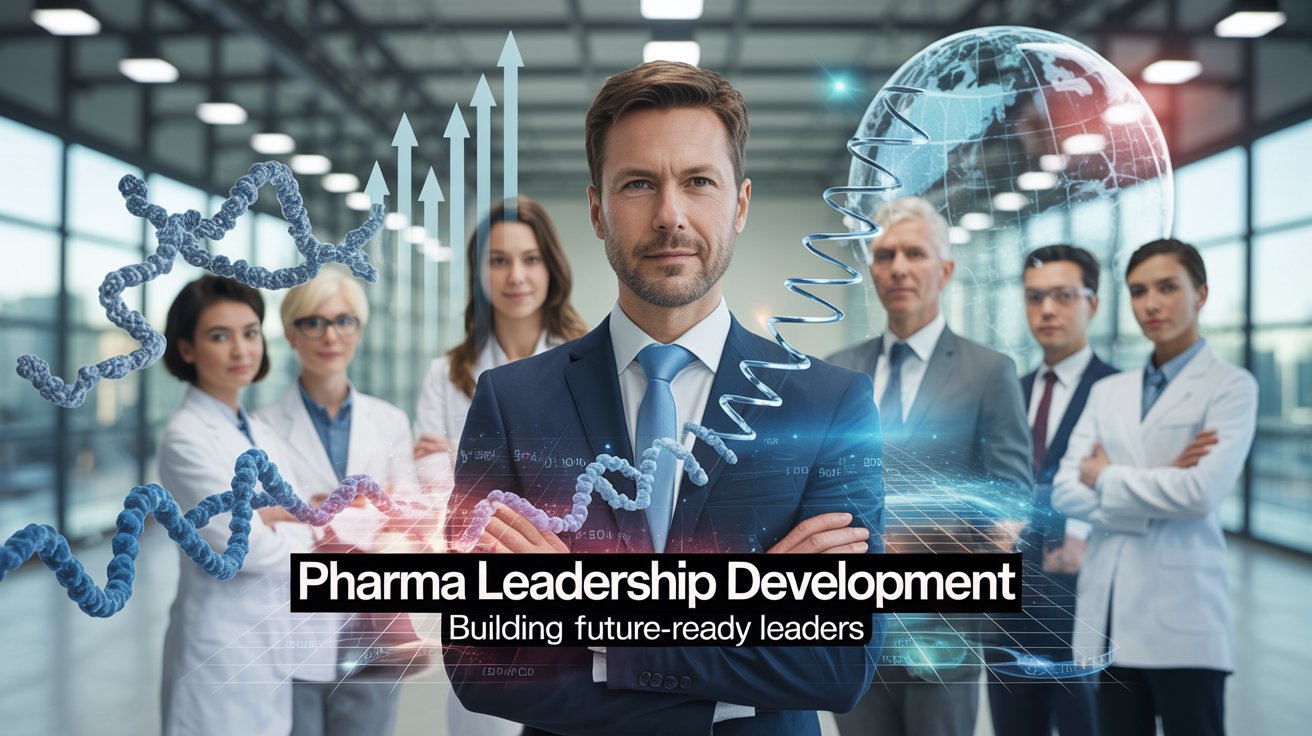
Pharmaceutical Leadership Development: Building Future-Ready Leaders
Introduction
The pharmaceutical industry stands at a turning point. Between rapid technological advancements, regulatory complexity, and global competition, success now depends not just on innovation — but on leadership that can adapt, inspire, and drive transformation.
That’s where pharmaceutical leadership development comes in.
It’s not just about training managers; it’s about building future-ready leaders who can navigate uncertainty, foster innovation, and lead diverse global teams.
In this blog, we’ll explore what leadership development in pharma truly means, why it’s crucial in 2025 and beyond, and how organizations can cultivate leaders who can sustain growth in an evolving landscape.
1. Why Pharmaceutical Leadership Development Is More Critical Than Ever
Pharma is facing unprecedented disruption:
- The rise of AI, automation, and digital transformation.
- Stricter global compliance frameworks (FDA, EMA, WHO, NAFDAC).
- Shorter innovation cycles and increasing R&D costs.
- A talent gap in leadership and cross-functional management.
📊 Stat: According to Deloitte, over 60% of pharma executives believe leadership capability is the biggest factor influencing long-term organizational success.
👉 This makes pharmaceutical leadership development not optional — but essential.
2. What Is Pharmaceutical Leadership Development?
Pharmaceutical leadership development is a structured approach to identifying, training, and nurturing leaders within the industry. It focuses on both technical expertise and strategic leadership skills needed to guide teams through transformation.
Core Components Include:
- Strategic Decision-Making: Understanding business, compliance, and innovation.
- Emotional Intelligence: Managing diverse teams effectively.
- Digital Proficiency: Leveraging Power BI, Tableau, and AI tools.
- Regulatory Awareness: Leading with compliance at the forefront.
- Innovation Mindset: Encouraging experimentation and problem-solving.
💡 Example: A QA manager trained under a leadership program learns to use data visualization (Tableau) to track deviations — transforming quality management into a proactive system.
3. Key Skills Future-Ready Pharma Leaders Need
To thrive in tomorrow’s pharma world, leaders must blend scientific rigor with strategic foresight.
A. Adaptive Thinking
- Adjust quickly to regulatory changes and emerging technologies.
B. Data-Driven Decision-Making
- Use digital tools like Power BI and AI to make informed choices.
C. Global Mindset
- Collaborate across countries (India, USA, Vietnam, Nigeria) and understand diverse markets.
D. Compliance Intelligence
- Lead audit preparation and ensure ongoing adherence to GMP, 21 CFR Part 11, and WHO standards.
E. Mentorship & Team Empowerment
- Build and coach the next generation of leaders — a multiplier effect that sustains growth.
4. Challenges in Developing Pharma Leaders
1. Skill Gaps in Middle Management
Technical experts often lack strategic leadership or business skills.
2. Resistance to Change
Legacy systems and hierarchical structures can hinder innovation.
3. Lack of Mentorship Programs
Few organizations provide structured pharma executive coaching or mentoring.
4. Regulatory Burden
Leaders often get caught up in compliance firefighting instead of long-term strategy.
5. Digital Divide
Many professionals are yet to embrace digital transformation fully.
💡 Solution: A structured pharmaceutical leadership development framework bridges these gaps by combining mentorship, digital training, and experiential learning.
5. Strategies for Effective Pharmaceutical Leadership Development
A. Implement a Competency-Based Framework
Define clear leadership competencies — such as decision-making, collaboration, and digital fluency — for all levels of management.
B. Combine Technical & Leadership Training
Offer programs that integrate compliance knowledge with soft skills, ensuring leaders are both capable and inspiring.
C. Establish Global Mentorship Networks
Connect professionals with mentors across India, USA, Vietnam, and Nigeria.
Cross-border mentorship fosters innovation and cross-cultural leadership.
D. Promote Innovation Culture
Encourage employees to experiment, fail fast, and learn.
Reward innovation that improves quality, compliance, or efficiency.
E. Integrate Leadership Development into Succession Planning
Ensure every organization has a pipeline of future-ready leaders ready to step into critical roles.
6. Leadership Development Models in Pharma
| Model | Focus | Application |
|---|---|---|
| 360-Degree Feedback Model | Self-awareness & emotional intelligence | Middle management improvement |
| Action Learning Model | Problem-solving via real-world projects | Leadership through practical experience |
| Mentorship & Coaching Model | Continuous personalized growth | Senior leadership transitions |
| Digital Leadership Model | Technology adoption & innovation | Preparing for Industry 4.0 |
📊 Insight: Companies that adopt a structured leadership model experience 40% higher employee engagement and 25% faster decision-making.
7. Benefits of Pharmaceutical Leadership Development
- Enhanced Decision-Making: Leaders make smarter, data-driven choices.
- Improved Regulatory Readiness: Ensures smoother audits and fewer CAPAs.
- Higher Innovation Rate: Encourages creative problem-solving and product improvement.
- Global Competitiveness: Builds leaders who can navigate multiple markets.
- Talent Retention: Employees stay longer under empowering leaders.
💡 Example: A pharma firm that launched a leadership academy saw a 30% drop in attrition and a measurable increase in internal promotions.
8. Case Study: Building Future Leaders in Emerging Markets
Vietnam Example:
A Ho Chi Minh-based pharmaceutical firm created an internal mentorship program combining leadership and digital transformation training. Within a year:
- Audit readiness improved by 20%.
- Mid-level managers developed into independent project leads.
Nigeria Example:
A Lagos-based company collaborated with global pharma mentors for leadership training.
- Leaders gained exposure to FDA and WHO frameworks.
- The firm expanded partnerships with global suppliers due to better leadership communication.
👉 These examples prove how pharmaceutical leadership development can transform emerging market potential into global success.
9. How Professionals Can Develop Leadership Skills
Step 1: Enroll in Pharma Leadership Training Programs (e.g., Pharma Architect Masterclass).
Step 2: Gain PMP® or Lean Six Sigma certification to strengthen managerial acumen.
Step 3: Seek a mentor with international pharma experience.
Step 4: Build soft skills — empathy, communication, resilience.
Step 5: Apply leadership lessons to everyday challenges at work.
📊 Tip: Professionals who invest in leadership training see 35% faster career progression compared to peers who don’t.
Quick Recap: Why Leadership Development Matters in Pharma
✅ Drives innovation and regulatory excellence
✅ Builds adaptable, visionary leaders
✅ Increases employee engagement and retention
✅ Strengthens organizational resilience
✅ Prepares professionals for global challenges
FAQs on Pharmaceutical Leadership Development
1. Who needs pharmaceutical leadership development?
Mid-to-senior level pharma professionals aspiring for strategic or C-suite roles.
2. What makes pharma leadership different from other industries?
It requires balancing innovation with compliance, and scientific rigor with business acumen.
3. How long does leadership development take?
Most structured programs span 6–12 months, but leadership growth is a lifelong journey.
4. Can leadership be learned online?
Yes — through blended programs combining e-learning, live mentorship, and real-world application.
Conclusion: Building the Future of Pharma Leadership
In the era of digital transformation and global expansion, leadership has become pharma’s greatest differentiator.
By investing in pharmaceutical leadership development, organizations can cultivate visionary, data-driven, and globally aware leaders ready to navigate 2025 and beyond.
For professionals, it’s the fastest way to evolve from managing teams to leading industries.
🚀 Call to Action:
Ready to step into the future of pharma leadership? Enroll in our Pharmaceutical Leadership Development & Mentorship Program and start building your path to executive excellence today.

